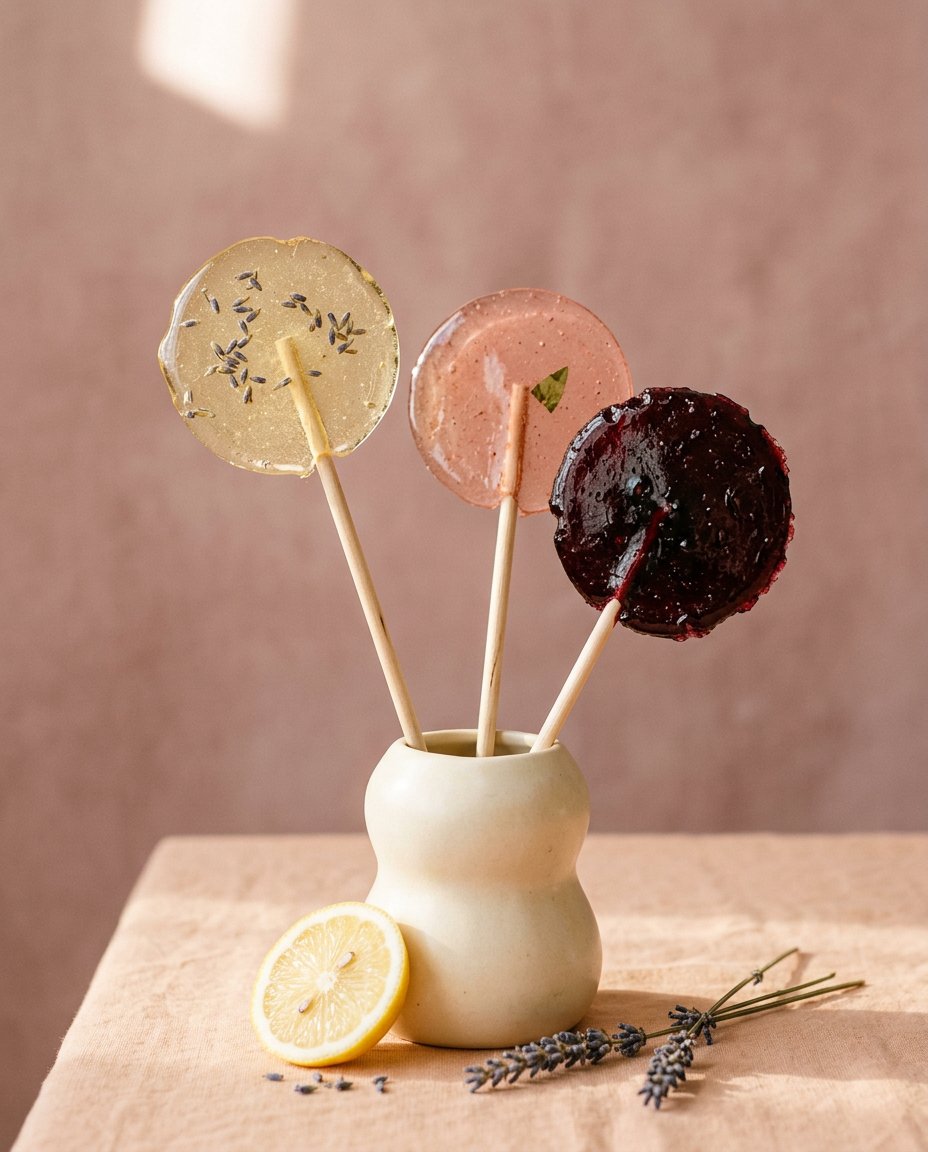
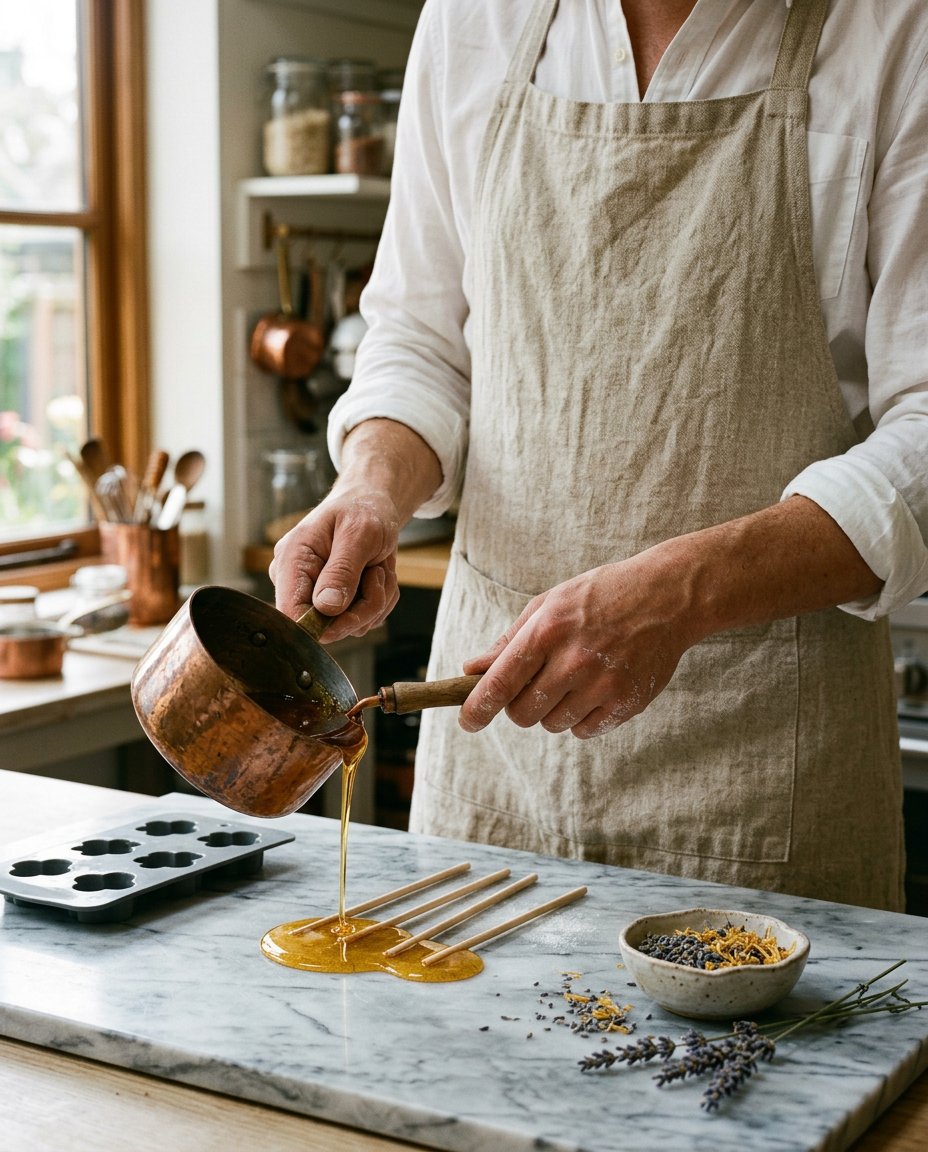
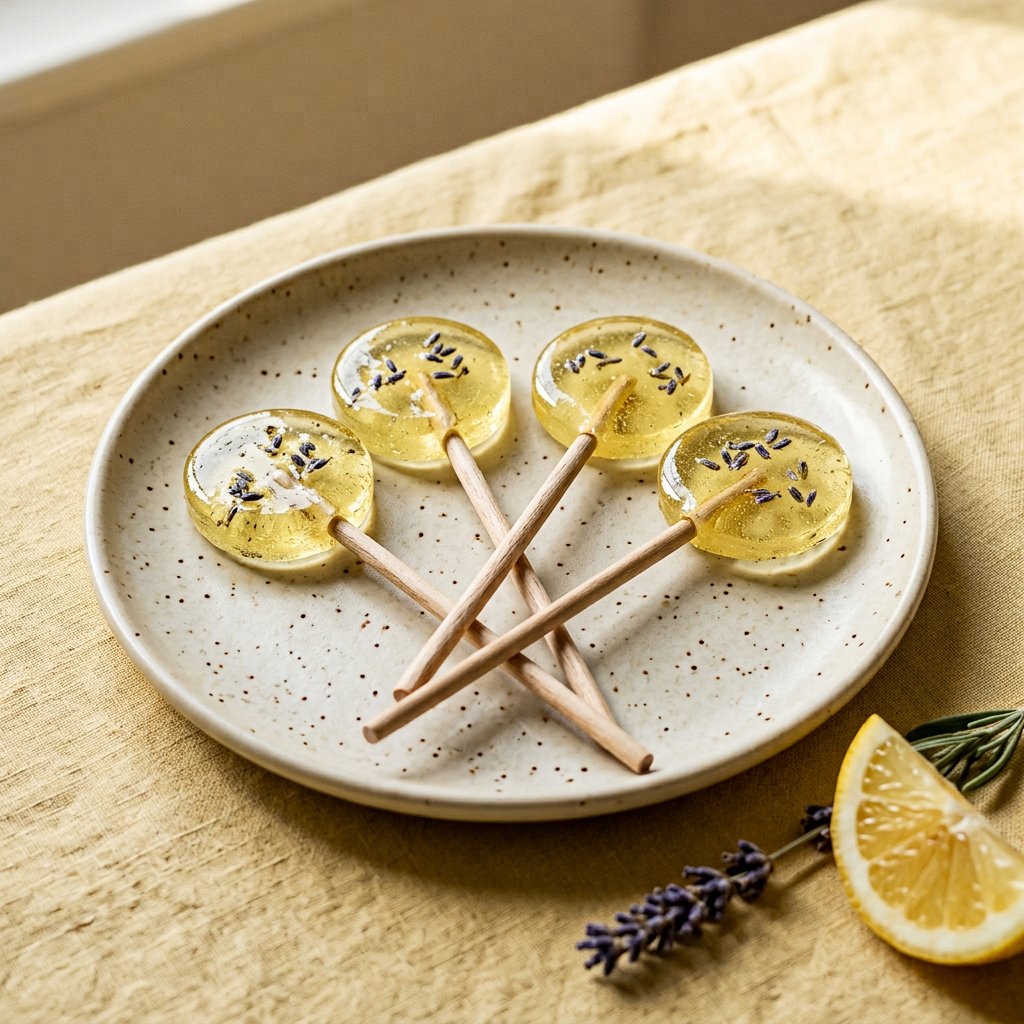
A good sweet doesn’t have to be complicated to be memorable. Sometimes all it takes is a familiar flavor and one thoughtful companion: lemon with lavender, peach with rosemary, or caramel with a little sea salt.
Artisanal lollipops and candies with unique flavors invite you to taste a little differently. Instead of reaching for the usual, you get to explore how fruit, herbs, flowers, and spices can share the same small stage. The pleasure is as much in noticing as it is in eating.
It starts with balance, not novelty.
An unusual pairing only works when each ingredient has a purpose. Lavender can be fragrant, but too much can overwhelm a delicate citrus note. Ginger brings warmth to yuzu without erasing its bright aroma. The interesting part is the conversation between flavors—not a competition to be the strangest candy in the jar.
When trying a new flavor, notice the first impression, the middle, and the finish. Strawberry may arrive first in a strawberry-and-basil lollipop, while the herb becomes more noticeable as the sweetness settles. That little change over time is part of the experience.
Botanicals bring a different kind of sweetness.
Flowers and herbs contribute aroma as much as taste. A floral note can make a fruit candy feel more expressive; a green herb can give a rich sweet a contrasting edge. Only ingredients specifically intended and suitable for food should ever be used in confectionery. A pretty garden flower is not automatically an edible one.
“Botanical” describes a flavor, not a health benefit. These are sweets, meant to be enjoyed as an occasional treat—not substitutes for a balanced diet or remedies for any health concern.
Texture changes the conversation.
A lollipop reveals itself slowly as the sugar dissolves. Hard-candy drops offer a similar, unhurried experience in a smaller shape. Soft fruit chews release their flavors more quickly, while caramel adds the richness of butter and cream. Choosing a texture is really choosing how you want the flavor to unfold.
Temperature and storage matter, too. Heat and humidity can make candies sticky or change their texture. Keep sweets in the condition recommended on their actual packaging, away from direct sunlight, and always follow the maker’s storage and best-by guidance.
Make a little tasting moment.
Start with a small piece and a sip of plain water. Look at the color, notice the aroma, and let the first bite—or the first slow dissolve—give you a sense of the flavor. If you’re comparing several sweets, move from delicate floral flavors to brighter fruit, then finish with something richer. There are no rules to get right; this is simply a way to notice more.
And before sharing, check the ingredients. Milk, nuts, soy, wheat, and other allergens can appear in candy recipes or shared production spaces. Our sample recipes are illustrations, not labels for real products. For any real purchase, the actual package and maker’s allergen information are what count.